Welcome to the Somatic Studio
This space is designed to support your nervous system through intentional body awareness. Before you begin, take a brief moment to review the two types of practice available in the studio.
Breath Foundations
Short, structured breathing patterns divided into Settle, Focus, and Vitality options, designed for rapid physiological regulation and grounding.
Somatic Immersions
Extended, deeply restorative guided sessions set against original biophonic soundscapes.
CLINICAL SAFETY NOTICE
Somatic breathing can lead to significant physiological changes. Ensure you are seated or lying down in a safe, stationary environment. Do not use this programme whilst driving or operating machinery.
If you have a history of cardiovascular issues, respiratory conditions, epilepsy, or are pregnant, please consult your GP before proceeding.
If at any point you feel dizzy, lightheaded, or uncomfortable, return to your natural breathing pattern and stop the exercise immediately.

Welcome to the Somatic Studio.
Listen to your body's signal.
Do you need to Settle, Focus, or find Vitality?
Do you need a longer, meditative Somatic Immersion?
Settle
Short, specific breathing exercises to reset your system in under five minutes.
1: The Foundational Anchor3:20
(The baseline for all work)
5: The Physical Release4:00
(Clench and release for tension)
8: Short Term Anxiety3:00
(The "Quiet Pause" reset)
9: Managing Deeper Stress6:00
(The 4 to 7 to 8 down regulator)
10: Preparing for Sleep5:00
(The 1 to 2 ratio long exhale)
12: Meditative Calm3:00
(The 3 minute grounding space)
Focus
Short, specific breathing exercises to reset your system in under five minutes.
2: The Filter of the Nose2:15
(Nasal primacy for blood chemistry)
3: The Vertical Spine3:00
(Postural architecture and diaphragmatic space)
6: The Rhythmic Balance5:00
(Coherent breathing for emotional sweet spot)
7: The Creative Flow3:00
(Movement sync for active calm)
11: Concentration2:00
(The Power Inhale for brain activity)
Vitality
Short, specific breathing exercises to reset your system in under five minutes.
Somatic Immersions
Longer meditations to help you connect deeply with your body's internal signals.
SI 1: The Interior Map12:00
(Interoception and grounding)
SI 2: The Rhythmic Anchor08:00
(Stabilising the nervous system)
SI 3: The Soft Edge08:00
(Working with persistent tension)
SI 4: The Three Minute Reset03:00
(Breaking the stress cycle)
SI 5: The Safe Haven12:00
(Building the internal sanctuary)
SI 6: The Heavy Limbs10:00
(Sleep initiation and gravity)
SI 7: The RAIN of Kindness20:00
(Emotional processing and yielding)
The Foundation of Movement:
A Clinical Overview of Somatic Education
The study of the soma focuses on the body as it is perceived from within, representing a significant shift from traditional exercise models that prioritize external form. This academic framework was established by Thomas Hanna, who integrated the observations of Moshe Feldenkrais and F.M. Alexander into a cohesive clinical practice (Hanna, 1988). By emphasizing the subjective experience of movement, this discipline allows individuals to identify and resolve internal patterns of tension that often remain invisible to external observation. This process is essential for leading the eye of the practitioner toward the root cause of functional limitations rather than just treating the symptoms.
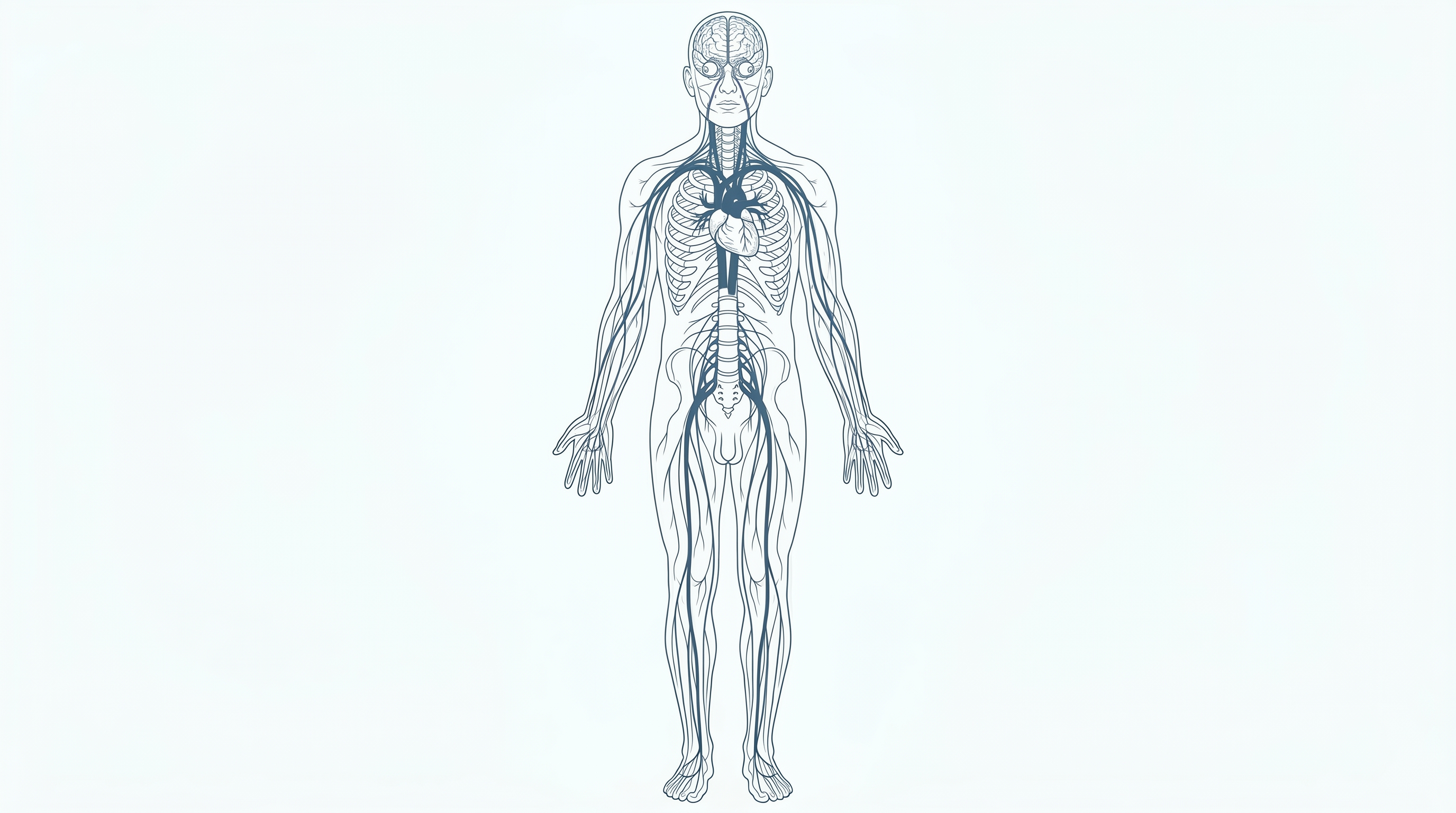
Fig 1. The Central and Peripheral Nervous System
A core concept in this field is Sensory Motor Amnesia, which describes a state where the motor cortex loses voluntary control over specific muscle groups. This condition is typically a functional response to repetitive stress or physical trauma, leading the nervous system to maintain persistent holding patterns (Peterson, 2020). Because these habits are deeply ingrained within the brain, they cannot be corrected through passive stretching or mechanical force.
Instead, the practice leverages the brain's neuroplasticity to reorganize neural pathways and reclaim conscious movement. By focusing on the pupillary zone of internal awareness, the student begins to recognize these subconscious contractions before they manifest as chronic pain.
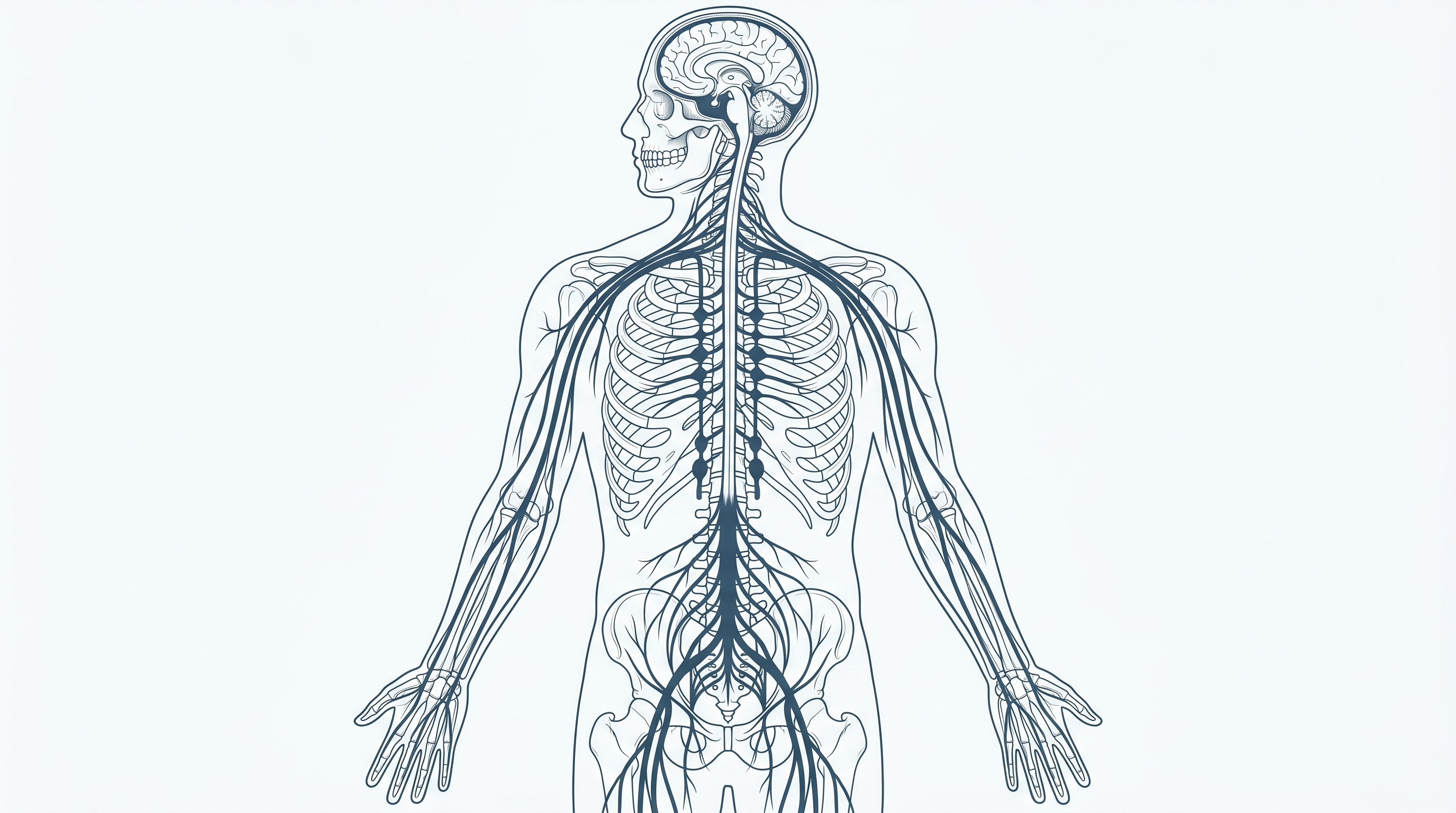
Brain
Peripheral Nerves
Spinal Cord
Ganglion
Fig 2. Neural Transmission Pathways
To address these holding patterns, practitioners utilize a biological mechanism known as pandiculation to reset muscle length and tone. Unlike conventional stretching which might trigger a protective reflex and cause further tightening, pandiculation involves a deliberate contraction followed by an extremely slow and conscious release. This technique provides the brain with fresh sensory information, effectively reestablishing the communication loop between the mind and the body (Knight, 2021). The intentional pace of these movements is crucial for allowing the nervous system to integrate new information and bypass habitual stress responses.
The efficacy of these methods is supported by a growing body of research from esteemed academic institutions. The Trinity Laban Conservatoire of Music and Dance has documented the role of somatic inquiry in enhancing performance and supporting rehabilitation for professional movers (Trinity Laban Conservatoire of Music and Dance, 2024). Similarly, investigations at the University of Central Lancashire have explored how these techniques contribute to physiological wellbeing by moderating the autonomic nervous system through improved interoception (University of Central Lancashire, 2025). A recent evaluation by the Somatic Studio Research Group demonstrated that consistent engagement with these principles significantly reduces chronic muscular discomfort (Somatic Studio, 2026).
Movement education at the studio is structured as a progressive curriculum to ensure safe and effective neural integration. The foundational level focuses on basic awareness through exercises such as the arch and flatten, which target the primary muscles of the trunk. Once a baseline of internal awareness is established, students move to intermediate patterns like the washcloth to address rotational tension. The most advanced practitioners explore complex multiplanar movements such as the flowering arch, which requires a high degree of motor coordination and internal focus.
In conclusion, somatic education offers a sophisticated path toward physical autonomy by prioritizing the wisdom of the internal body. This academic grounding ensures that every movement is rooted in clinical evidence and neurological principle. By understanding the science behind the practice, students can engage more deeply with their own healing journey. Providing this comprehensive background ensures a clean endpoint to the initial learning phase and prepares the participant for the focused work of a 1-to-1 session where these theories are applied to individual needs.
Glossary of Clinical Terms
Soma: refers to the body as experienced from a first person perspective, encompassing the totality of one's physical and mental presence. This term distinguishes somatic work from third person anatomical study by focusing on the lived experience of the individual.
↑ Back to TextSensory Motor Amnesia: is the functional loss of the ability to voluntarily control a muscle or muscle group. It occurs when the nervous system becomes accustomed to chronic stress, causing the brain to keep certain muscles contracted even when they are not in use.
↑ Back to TextPandiculation: is the physiological process of the nervous system sending a signal to a muscle to contract strongly and then release slowly. This action effectively resets the resting tonus of the muscle and is a primary tool for overcoming habitual tension.
↑ Back to TextNeuroplasticity: is the inherent ability of the brain to form and reorganize synaptic connections, especially in response to learning or experience. In a somatic context, it allows for the unlearning of restricted movement patterns and the acquisition of new, more efficient habits.
↑ Back to TextInteroception: is the sense that allows us to perceive the internal state of our bodies. It involves the processing of signals from within the organism, such as heartbeat, breath, and the subtle sensations of muscle tension or relaxation.
↑ Back to TextProprioception: is the medical term for the sense of self movement and body position. It is sometimes described as the sixth sense, as it allows us to know where our limbs are in space without having to look at them.
References
Hanna, T. (1988) Somatics: Reawakening The Mind's Control Of Movement, Flexibility, And Health. Cambridge: Da Capo Press.
Knight, J. (2021) The Principles of Gentle Somatic Yoga. San Diego: GSY Publishing.
Peterson, M. (2020) Move Without Pain. 2nd edn. New Jersey: Sterling.
Somatic Studio Research Group (2026) 'The Impact of Pandiculation on Chronic Musculoskeletal Tension', Journal of Applied Somatics, 4(1), pp. 12 to 18.
Trinity Laban Conservatoire of Music and Dance (2024) Somatic Practices in Modern Rehabilitation. London: Trinity Laban Press.
University of Central Lancashire (2025) Department of Dance and Somatic Movement Internal Review. Preston: UCLan.
Privacy & Data Protection
The Somatic Studio is committed to the highest standards of data security and individual privacy: we process personal and somatic data exclusively for the purpose of enhancing your practitioner-led experience. All information is stored within a secure, encrypted environment to prevent unauthorised access and ensure the integrity of your personal records.
In accordance with the Data Protection Act 2018, your data remains strictly confidential and will never be shared with third parties without explicit, documented consent; users retain the full right to request the deletion or modification of their personal data at any time.
Terms & Clinical Disclaimer
Access to and use of The Somatic Studio is subject to the following clinical terms and conditions: the content provided is for educational and self-regulatory purposes only and does not constitute medical, psychological, or physiological diagnosis or treatment. Users are advised that somatic practices involve deep physical and emotional engagement; therefore, it is the responsibility of the individual to consult a qualified healthcare professional before beginning any new wellness regime, particularly if pre-existing health conditions are present.
The Somatic Studio and its practitioners accept no liability for injury, loss, or distress resulting from the application of the techniques described within this software: by proceeding, you agree to take full responsibility for your physical and mental well-being and acknowledge that these tools are adjuncts to, not replacements for, professional clinical care.